Visualizing Venice
From a peripheral area of Venice to the core of contemporary art
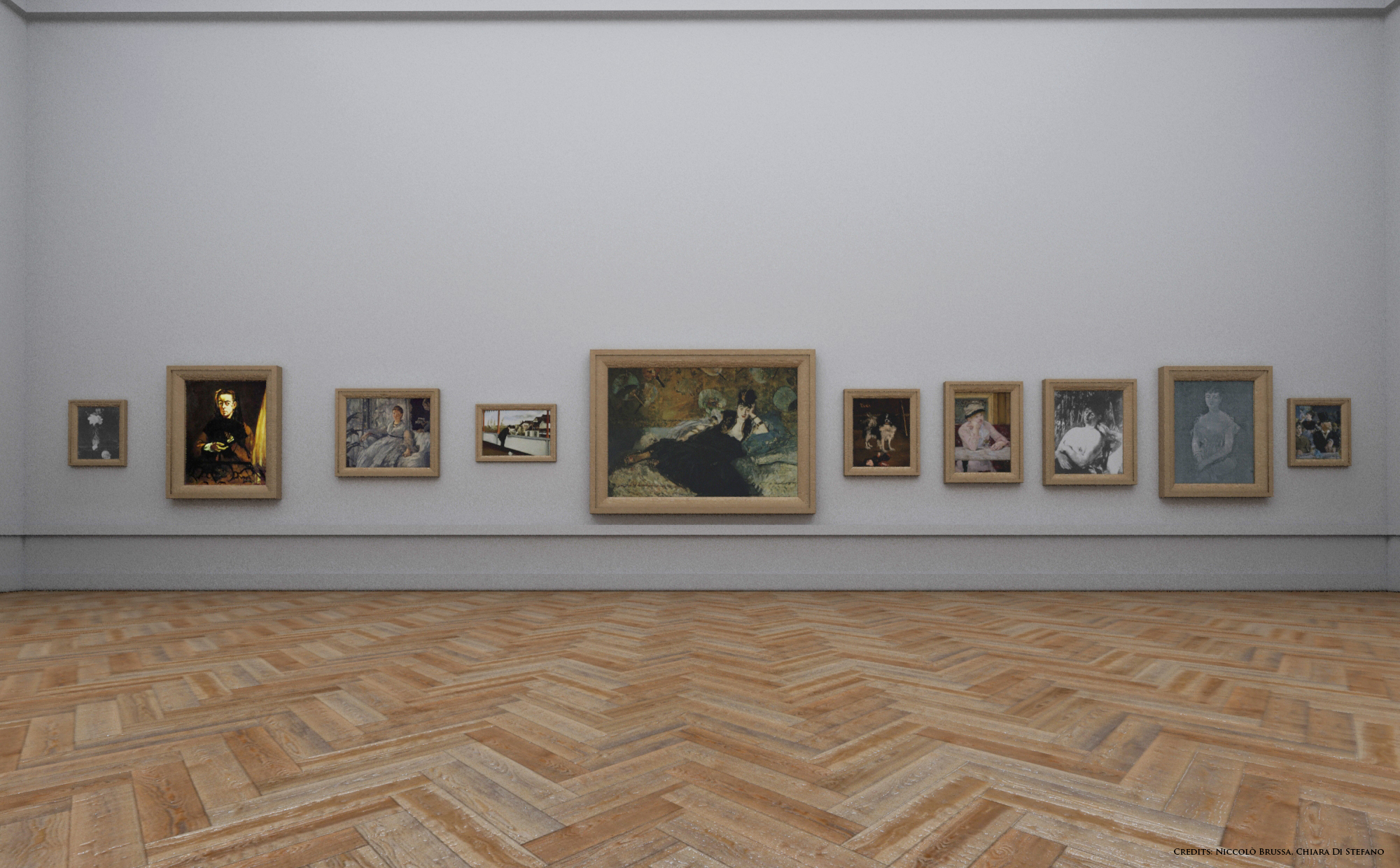
The insula of San Giuseppe (now the Giardini della Biennale) is located on the eastern fringe of Venice. Known today as the main venue for the international art and architecture exhibitions of the Venice Biennale, the insula was once a marshy area almost exclusively occupied by religious institutions. The 16th-century urban setting suffered a radical change in form and use in 1807 when, in compliance with a Napoleonic decree, the area was chosen for the creation of public gardens. Most of the churches and monasteries that had stood there for three centuries or more were demolished, only the convent of San Giuseppe survived. The area once devoted to religious institutions became a place for leisure activities providing a new, modern image of Venice. The opening of the National Art Exhibition in 1887 and the establishment of the International Art Exhibition in 1895 confirmed the area’s allocation to cultural and recreational use, inscribing it within a logic of urban transformation and the city’s relaunch of tourism. The Biennale, which was first housed at a riding school, grew gradually but steadily, filling the garden with the national pavilions of different countries. Research has been conducted at both an urban and architectural scale and at an exhibition scale. The research at the urban and architectural scales revealed the configuration of the area at different times in history, from the 15th century to the major transformations of the 19th century. It provided a likely reconstruction of the area before the 1807 demolitions and, by delimiting the Biennale’s perimeter over time, mapped its gradual expansion. At an exhibition scale, the research has proceeded through case studies on the Venice Biennale. The first made it possible to present the overall layout of the main pavilion and a 3D reconstruction of the room in which the artist Gino De Dominicis had mounted his installation (in which he had combined real people and objects to represent the concept of immortality); the second focused on the debate between figurative and abstract painting in the US pavilion during five editions of the exhibition (1948–1958). Research is now focusing on reconstructions of other exhibitions presented at past editions of the Biennale: special focuses include the National Art Exhibition in 1888, the Italian Pavilion, and the display of the Impressionism at the French Pavilion from 1932 to 1938. The study of the latter will include a 3D reconstruction of the French Pavilion and a virtual tour inside the Pavilion through the room dedicated to artists such as Monet, Manet, Degas, and Renoir.
People
Francesca Castellani (team coordinator)
Eleonora Charans
Chiara Di Stefano
Cristiano Guarneri
Laura Moure Cecchini