Visualizing Venice
A history of Venice through the role of its lagoon and its settlements
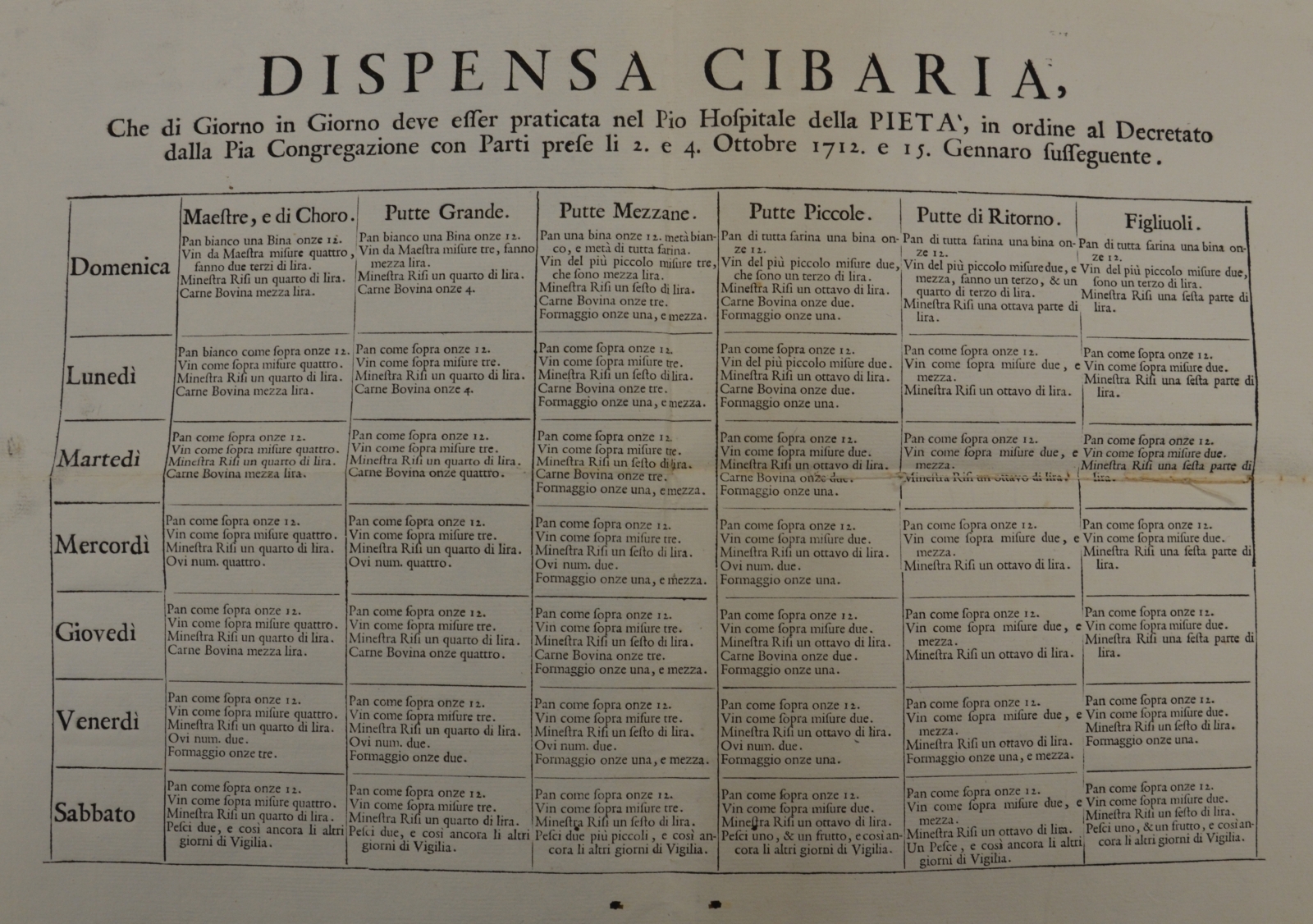
The project seeks to explore the history of Early Modern Venice from the perspective of its lagoon and the production and consumption of food. It will delve into an area that has not as yet been thoroughly studied, tracing the circulation of food among the islands of the lagoon through a water transport system that relied on a network of canals and specific transfer/provisioning points. Focusing on the marginal areas of Venice, from the largest islands of the Giudecca and the Lido to the smallest of Sant’Erasmo, it will document the private and monastic gardens, hospitals, and fortresses that required constant upkeep to protect them from the infiltration of salt water.
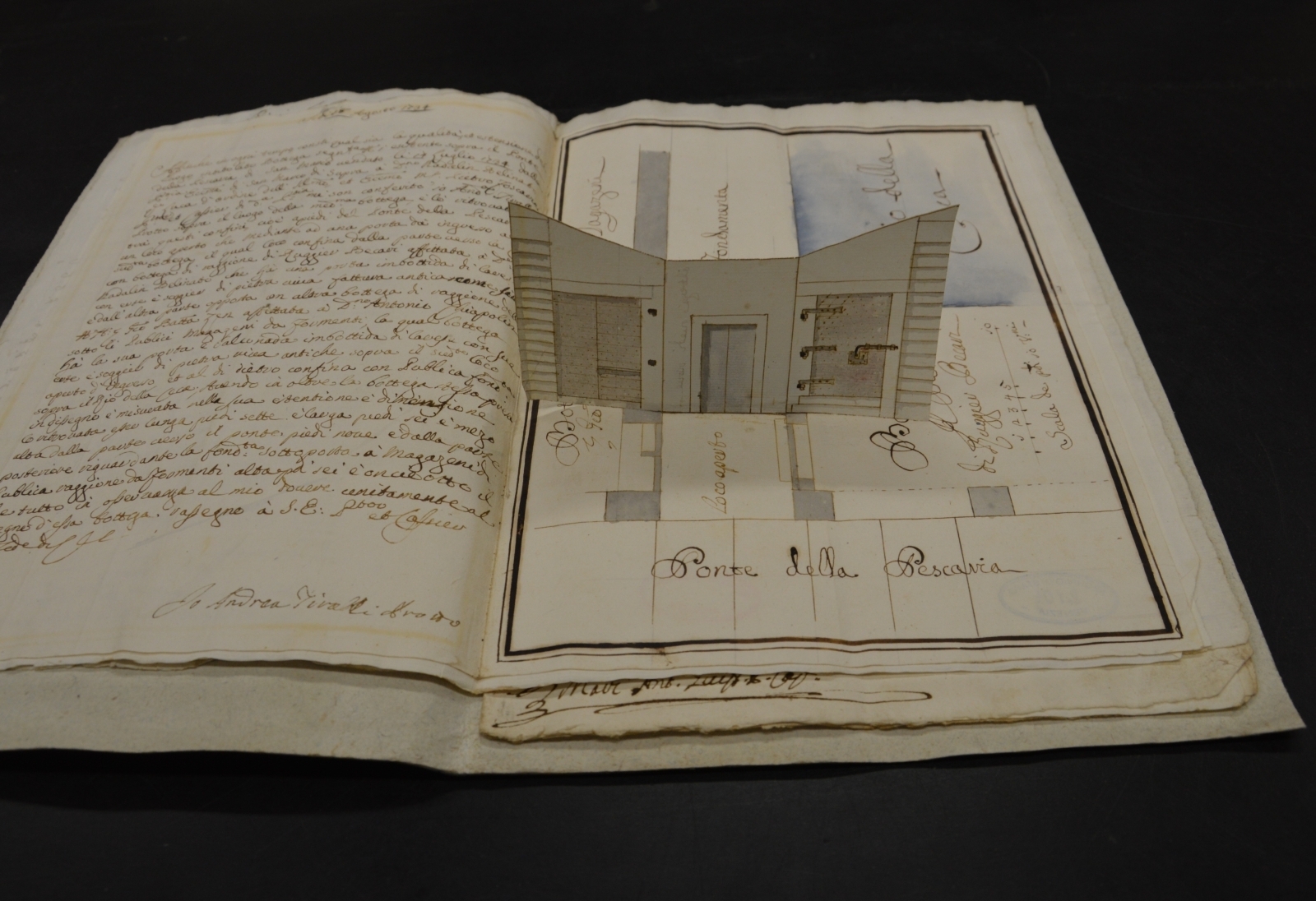
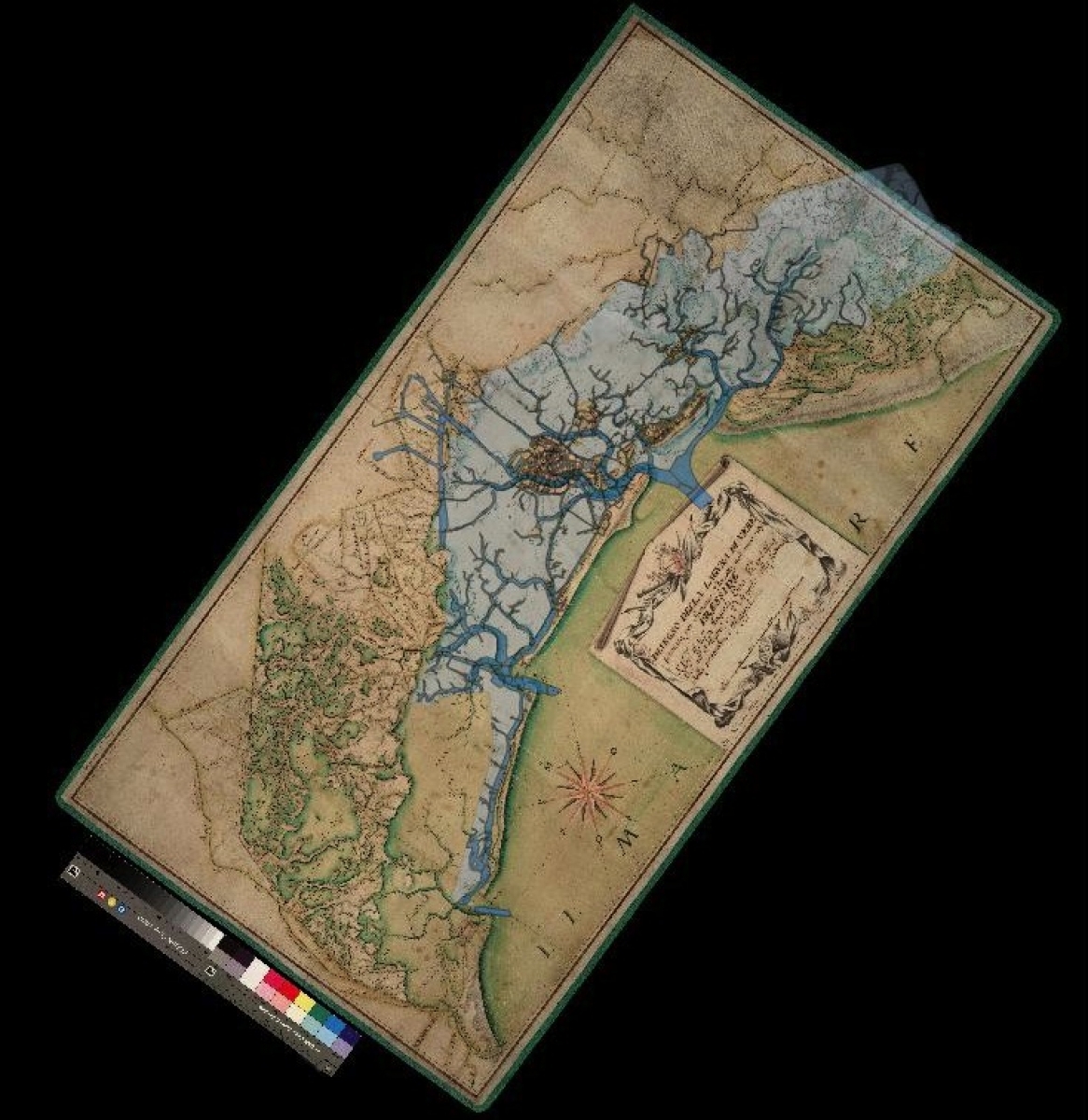
The production and consumption of food in the city and the lagoon will be studied through the use of historical maps, which call attention to the “dessegni delle vigne” that provided the measurements of vineyards and gardens, and through a series of extraordinary paintings and engravings that describe a “water perspective” of the city.
This rich historical documentation will make it possible to reconstruct and visualize the flow of food within the lagoon system.
The research will culminate in a major exhibition, entitled Water and Food in Venice. Stories of the Lagoon and the City, to be held the monumental rooms of the Doge’s Apartments at Palazzo Ducale in Venice in concurrence with EXPO 2015 “Feeding the Planet, energy for life.” The four sections of the exhibition will examine some of the most important issues in the transformation and development of the lagoon habitat focusing on the basic components of water and food. The complex story of the relationship between the lagoon and the city will provide an opportunity to look at the tight network of local production and business ventures now active in developing the lagoon’s resources. The places where food is farmed, from Kilometer-zero production aimed at valorizing continuity to the rediscovery of age-old crops, will be highlighted and will be a key aspect of the lagoon itineraries outside of the exhibition space itself. The exhibition at Palazzo Ducale won’t be a final stop for visitors interested in learning more about food and water in the lagoon. It will guide them toward unconventional itineraries throughout the territory, leading them past the most crowded and overrun parts of the city.
Coming more than forty years after the memorable show devoted to the lagoon’s morphology (Palazzo Grassi, 1970), the exhibition Water and Food in Venice. Stories of the Lagoon and the City will propose a reflection on the production, regulation, and consumption of water and food intra insularum and in continuous relationship with the city and the mainland.
The rich cartographic, literary, and artistic documentation on display – including masterpieces of extraordinary importance – will make it possible to reconstruct the complex panorama of food production and the relationship with the water in the ever-mutable island landscape. The exhibition will also illustrate the flows of some food products and the role of the water from and across the lagoon.
(June, 2014)
People
Donatella Calabi (team coordinator)
Martina Ballarin
Caterina Balletti
Valentina Buttolo
Fabio D’Agnano
Isabella di Lenardo
Ludovica Galeazzo
Francesco Guerra
Kristin L. Huffman
Paolo Vernier